
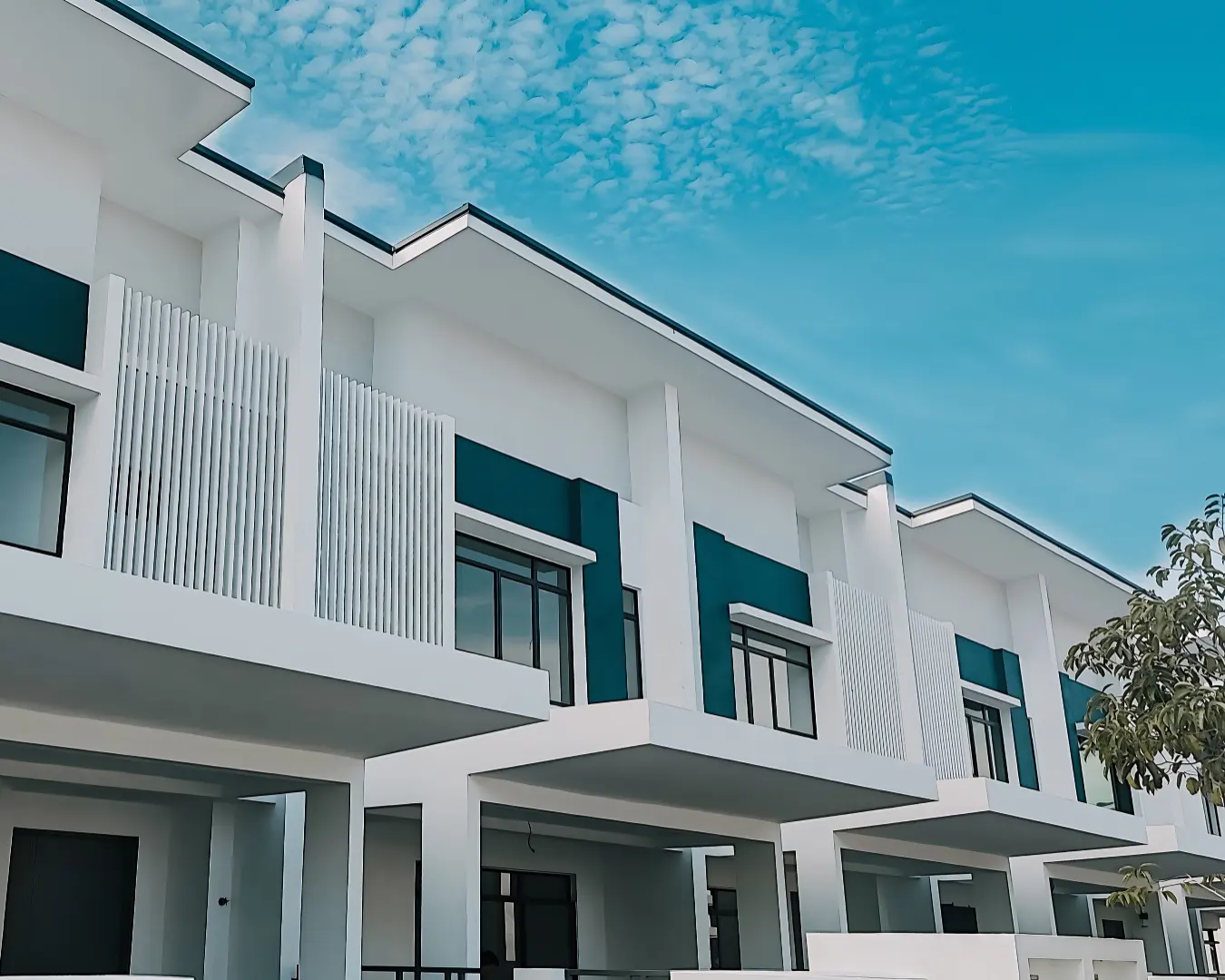
Getting the keys to a new home feels like a big win. Fresh paint, clean tiles, everything looks neat and ready. At that moment, most homeowners just want to move in quickly and start living. But this is also the moment when many people decide to skip proper checks, assuming defects are unlikely in a new house.
That assumption often comes back to haunt them later.
Ignoring defects doesn’t mean they disappear. It usually means they wait. Small issues stay hidden behind walls, under floors, or inside ceilings until they slowly grow into bigger, more expensive problems.
The defects you don’t see at first
Most new homeowners only notice obvious problems. A cracked tile. A door that won’t close properly. But many defects are not immediately visible. Water seepage, poor workmanship, uneven finishes, and structural inconsistencies often take time to show signs.
This is why relying on a proper house defect inspection checklist matters. A checklist ensures that inspections are systematic, not based on guesswork or casual observation. It covers areas homeowners rarely think to check, especially during key collection.
Without a checklist, inspections tend to focus on what looks obvious, while deeper issues are missed entirely.
When small issues become costly repairs
One of the biggest risks of ignoring defects is timing. Most new homes come with a limited defect liability period. If problems are not identified and reported early, repair responsibility often shifts from the developer to the homeowner.
This is where a structured house inspection checklist Malaysia becomes especially important. Malaysian homes face specific conditions like heavy rainfall, humidity, and soil movement, all of which can worsen small construction issues over time.
What could have been a simple warranty fix may turn into a major repair involving hacking, repainting, or even structural work.
Living with defects affects daily life
Not all defects are dramatic, but many are disruptive. Uneven flooring, poor drainage, misaligned windows, or persistent damp spots affect comfort and safety. Electrical or plumbing issues can lead to repeated maintenance work and unexpected expenses.
Using a clear house defect inspection checklist helps identify these problems early, before daily life is affected. It also allows homeowners to plan repairs logically instead of reacting to emergencies.
Why proper inspection needs experience
Many homeowners try to create their own checklist by searching online. While this helps, it often misses technical details that require construction knowledge and on-site experience.
A professional house inspection checklist Malaysia is usually built from years of field experience, not just theory. It considers how homes are actually built, where defects commonly occur, and how different building components interact over time.
This is where experienced inspection teams add real value, not by finding faults everywhere, but by identifying what truly matters.
Understanding defects helps you make better decisions
One of the biggest benefits of inspection is clarity. A good checklist does not just list defects. It helps homeowners understand severity, urgency, and possible impact.
With a proper house defect inspection checklist, homeowners can prioritise repairs, communicate clearly with developers, and avoid unnecessary work. This makes the entire defect rectification process smoother and less stressful.
The HiER approach to inspections
At HiER Sdn Bhd, inspections are guided by real civil and construction experience. The focus is not on overwhelming homeowners with technical language, but on helping them understand their property clearly.
The team applies a structured house inspection checklist Malaysia approach while explaining findings in plain language. Homeowners are guided through what needs attention, what can wait, and what is actually normal.
If you want to learn more about the team, background, and inspection philosophy, you can read more about HiER Sdn Bhd here: About Us
The takeaway
Ignoring defects doesn’t save time or money. It usually delays the cost and increases the stress. New homes may look perfect at first glance, but unseen issues often tell a different story later.
Using a proper house defect inspection checklist gives homeowners control, clarity, and confidence. It ensures problems are identified early, responsibilities are clear, and repairs are handled before they become major regrets.
In the long run, checking early is always easier than fixing late.